

Welcome to FullStack HR, and an extra welcome to the 48 people who have signed up since last week.If you haven’t yet subscribed, join the 10100+ smart, curious leaders by subscribing here:

It’s been quite a year.
Somewhere in late spring, I made the decision to do this full-time. It had been brewing for a while, almost happened before, but this time I actually took the leap.
It’s been equally terrifying and fantastic.
I’ve talked a lot about how well things have been going. And they have. My entire Q1 2026 is more or less fully booked. I’m genuinely happy with the client work I’ve done.
But here’s what you don’t see and what I (too) rarely talk about: All the failures.
I’ve failed in so many ways. Client deliveries that didn’t turn out the way they should. Evaluations that didn’t land. It looks like everything is just a straight line upward, but it’s absolutely not. It’s a bumpy ride. Up and down. Left and right. I’ve failed spectacularly a few times. Really, truly failed.
And honestly, it’s awful.
It’s taken a lot out of me to get past those moments. But I want to say this out loud, because it’s easy to only talk about the good stuff when you’re running your own thing. The reality is that some things went great and some things went badly. I think it’s important to be honest about that.
Is it all a learning experience? Sure.
Are there things I wish I hadn’t learned the hard way? Absolutely.
(And if you’re someone who hired me and it didn’t go well, I’m sorry.)
That said, it’s also been incredibly fun.
And most things have gone ridiculously well.
And above all, I’ve learned so much from both the failures and the great stuff.
But analysing the last six months reveals a couple of striking patterns and learnings.
Here's what I kept running into!
Honest assessment of where you are.
Before I go into any engagement, I have to assess where the organization is on the AI adoption scale.
This is one of the most critical things I’ve learned. If I don’t do a proper baseline analysis, I go in with the wrong assumptions. And that’s where things go wrong.
So many people say they’re already good at this. “We use ChatGPT, you don’t need to spend time on the basics.” But when you scratch the surface, very few are using it properly. They’ve written a job ad. Maybe summarized some text. Asked a few questions here and there. But they haven’t really thought: I have new capabilities now. I can work differently than before. I can rethink how I do things.
Very few people do that. They stay on the same paths they’ve always walked. They do what they’ve always done. And they get what they’ve always gotten.

This takes time.
I’ve been saying this all fall. You have to invest time. It won’t happen by itself. There’s no blueprint you can just copy and paste. It has to be adapted to you, to your context, to your organization.
You need to sit down and hack at it. Allow yourself a day. Or two. Maybe even three. Just exploring. How does this work? What can I do? How do I build this? What’s possible?
You have to take that time. Period. There’s no shortcut. Otherwise, you’re not building any internal capability. And there are no manuals to buy that will just tell you what to do.
Most organizations have chosen Copilot by default.
Almost everyone I’ve worked with has Copilot. And almost no one knows why.
They didn’t do any analysis on whether it was right for them. They’re Microsoft customers, Microsoft said Copilot was the thing, so they bought it. Slipped right in without much thought.
And then nobody measures anything. Or at best, they measure usage. But there’s no deeper analysis. They just hope it works out. “Let’s see what happens.”
I thought I’d be working more with HR.
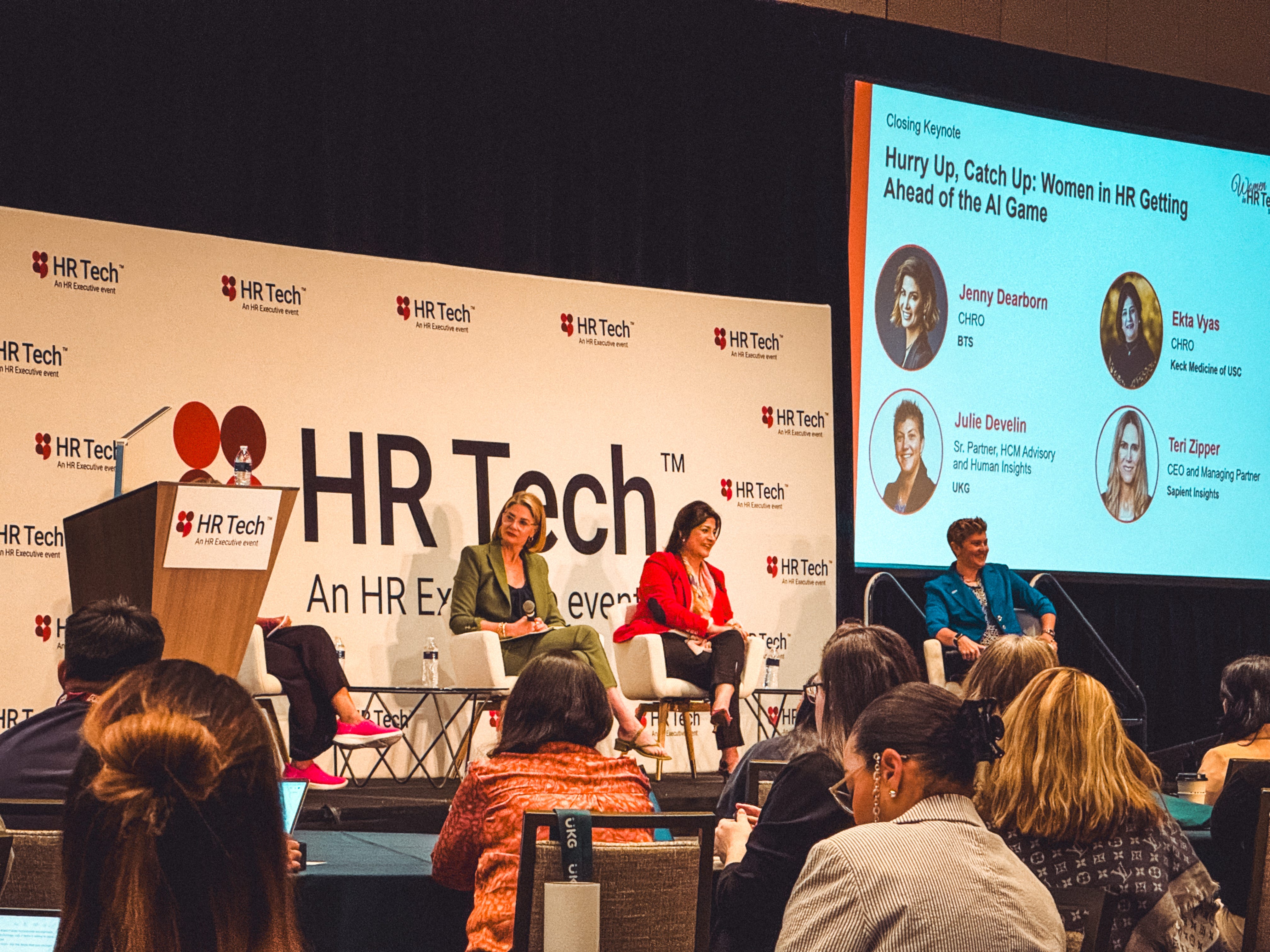
This one surprised me. Not that I haven’t worked with HR, just that I thought I’d be doing that more than I have. And this is not isolated only to me, other people I have in my “education” network also say that very few HR departments spend any significant time on this.
Either HR doesn’t think they need this, or someone else in the organization is the one who feels the urgency to learn and brings me in. HR either doesn’t have the budget or doesn’t want to prioritize it. I’m generalizing here. I’ve had great HR clients too. But there’s also a real reluctance in some places to even understand that this is important.
That makes me a bit sad. And a bit worried.
This is ridiculously fun.
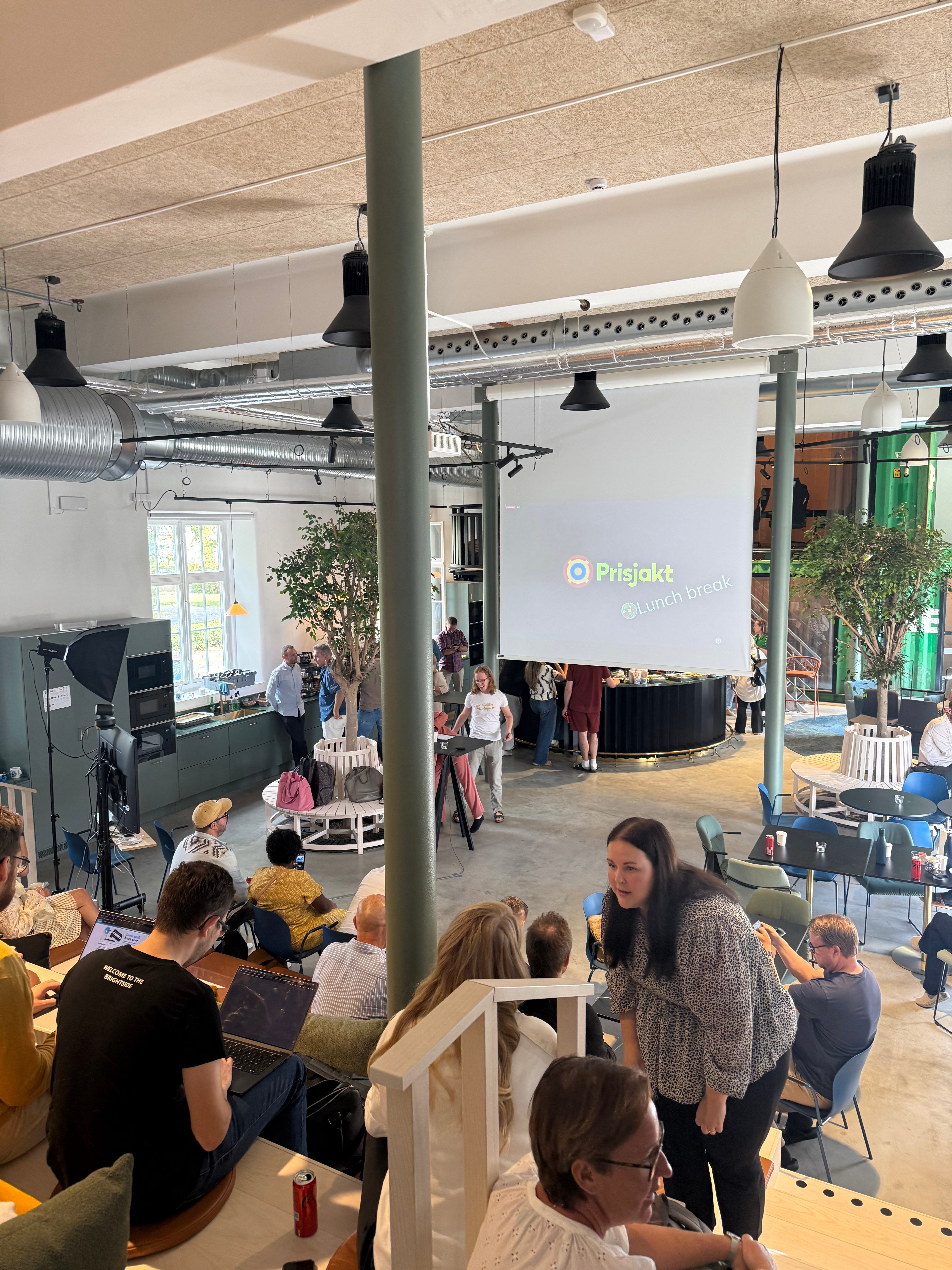
Working with a team, coming into different organizational contexts, digging into processes, challenging people, building things, seeing the lights go on when something clicks. When a Zapier flow finally works and you can immediately say “this will save you three hours every week.”
Getting paid to build stuff. It’s insane. It’s so much fun.
I’ve never worked in a better time to be alive. The capabilities we have right now are absolutely crazy. Being part of this moment is a privilege.
Mixed bag. Some failures, some wins, lots of learning. But honestly? What a year.